Our approach to behaviour
Understanding Behaviour at Discovery Academy
At Discovery Academy, we believe that all behaviour is communication. For many of our students, communication differences linked to autism mean that feelings, needs and anxieties are often expressed through behaviour rather than words. Our role is to understand the message behind the behaviour and respond with empathy, structure and support.
Why Dysregulation Happens
Dysregulated behaviour occurs when a young person becomes overwhelmed and can no longer manage the demands of the moment. These experiences are intense, exhausting and often frightening for the child. Dysregulation may be triggered by:
• Sensory overload (e.g., noise, crowds, bright lights, busy environments)
• Unexpected changes in routine
• Prolonged masking or trying to “fit in”
• Not understanding what is happening or why
• Feeling unsafe, threatened or misunderstood
Meltdowns and Shutdowns
A meltdown is a temporary loss of control. It may involve crying, shouting, kicking, lashing out, biting or, in some cases, self‑injury. Meltdowns are not the same as temper tantrums; they are a neurological response to overwhelm.
A shutdown is less visible but equally distressing. The child may withdraw, go quiet, avoid eye contact, curl up, or appear to “power down”. Shutdowns are a protective response when the world becomes too much.
We approach both with compassion, patience and a commitment to understanding the child’s needs.
Keeping Children Safe: Team Teach Principles
All staff are trained in Team Teach principles, which emphasise:
- De‑escalation first
- Understanding the function of behaviour
- Co‑regulation through calm, attuned adults
- Restoration and repair after incidents
- Physical intervention only as a last resort, and only to keep a child or others safe
Our aim is always to reduce risk, maintain dignity and help children feel safe again as quickly as possible.
Reflection Time and Logical Consequences
When a child needs space to reset, we offer 1:1 reflective time away from their peers. This is not a punishment — it is a supportive opportunity to regulate, reconnect and repair.
During this time:
- Students continue their learning with 1:1 support
- Staff help them understand what happened and why
- Restorative conversations take place with anyone affected.
- Logical consequences are used where appropriate, e.g., repairing or helping to tidy something that was damaged.
Logical consequences are always proportionate, respectful and linked to learning, never punitive.
Sanctuary Spaces
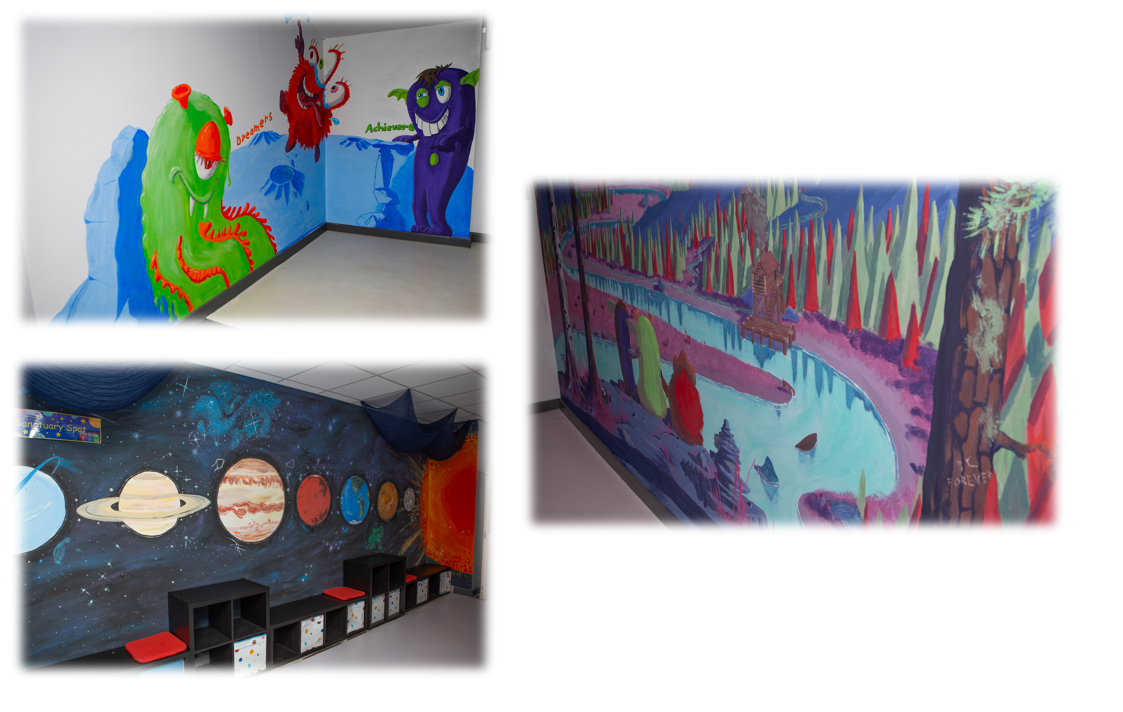
To help students develop self‑regulation, we have created Sanctuary Spaces across school. These are calm, low‑stimulus areas inspired by the Youth Sport Trust’s Sports Sanctuaries approach, which promotes wellbeing through movement, sensory regulation and emotional safety.
Our Sanctuary Spots allow students to:
- Sit quietly
- Move their bodies in safe, purposeful ways
- Use breathing or grounding techniques
- Access sensory tools
- Take a moment to reset before returning to learning
If a child cannot self‑regulate independently, a trusted adult will join them to co‑regulate, using Team Teach strategies such as attuned body language, low arousal approaches and calm, supportive communication.
Seeing the Child First
Above all, we always aim to see the child’s autism before we see the behaviour. Behaviour is not the problem — it is the signal. By understanding the barrier, we can remove it. By understanding the need, we can meet it. And by understanding the child, we can help them thrive.